Preventing Vachetta Patina: What Actually Works
There is no product, ritual, or spray that keeps vachetta light forever. Vachetta is untreated, undyed cowhide with no protective finish, and its entire design purpose is to react to light, air, and skin oils by darkening over time. Anyone promising you a way to stop that process is selling something that does not exist. What you can actually influence — meaningfully, with real technique — is how evenly it darkens and how much you slow the parts of the process that cause blotching, staining, and lopsided color rather than clean, uniform honey tones.
This is one of the most searched, and most misunderstood, topics in Louis Vuitton ownership. A lot of the advice circulating in forums and comment sections is either outdated, contradicts how the leather actually behaves, or optimizes for the wrong goal entirely. Below is what actually works, and what does not, starting with the goal you should be aiming for in the first place.
The goal is even patina, not "staying new"
Most bad vachetta advice starts from a flawed premise: that a pristine, pale, unpatinated vachetta trim is the desirable end state, and every darkening event is a loss to be minimized. That framing sets owners up to fight a losing battle against basic leather chemistry, and it leads to the two most common vachetta mistakes — obsessively shielding the bag from all light and handling, which produces gray, dull, unevenly aged leather instead of the warm honey tone collectors actually want, and panicking at the first sign of color change instead of managing it.
The realistic and achievable goal is even patina development: a trim that darkens at roughly the same rate across handles, base, and piping, without blotches, sun-shadow patterns, or water stains breaking up the surface. A bag with rich, uniform caramel vachetta after two years of normal use and thoughtful care looks intentional and expensive. A bag with patchy tan-and-cream trim from uneven exposure looks neglected, even if it is technically "less aged."
The sun rule: UV accelerates darkening, and that is sometimes the point
Sunlight is the single strongest driver of vachetta darkening, well ahead of air exposure or handling. UV light breaks down the surface structure of the untreated hide and oxidizes it, which is the same chemical process that darkens raw wood and unfinished leather furniture left in a sunny room. Most owners treat this as purely a threat. It is not that simple.
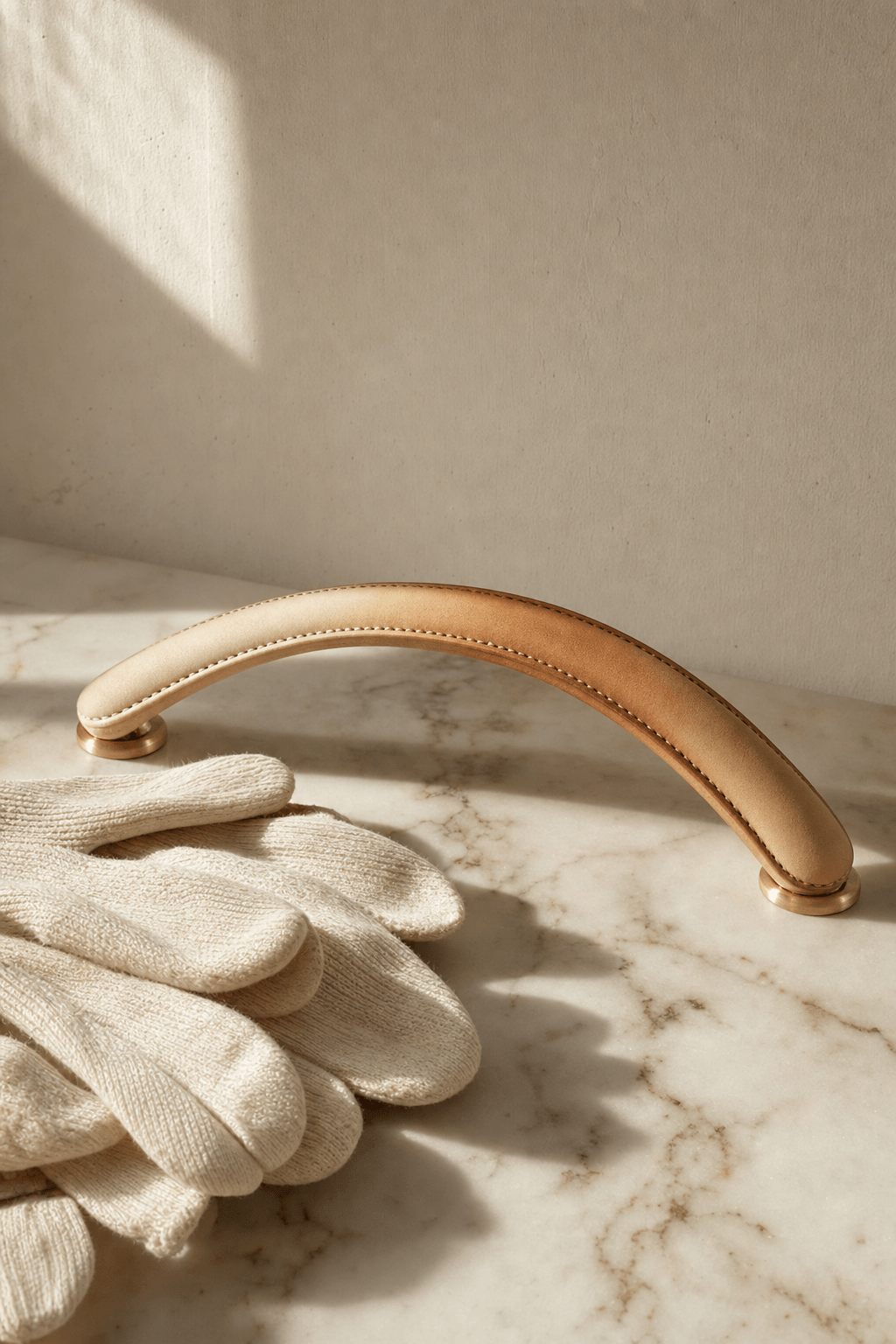
Sun exposure is also the fastest way to move a brand-new, pale vachetta bag through the initial cream-to-light-honey stage that many owners find the least attractive phase of the whole process. This is why some collectors intentionally "sunbathe" a new bag — setting it in indirect but bright daylight, rotating it regularly, for short sessions over the first weeks of ownership specifically to speed past the pale stage and reach an even light-honey tone faster than incidental use would.
How to sun a bag without ruining it
If you choose to do this, the details matter more than the general idea. Rotate the bag regularly — every 20 to 30 minutes if it is sitting in one spot — so no single panel gets disproportionately more UV than the rest. Use indirect light through a window rather than harsh, direct midday sun, which darkens fast but unevenly and can occasionally cause the leather to feel slightly stiffer if overdone. Never leave a bag sitting in direct sun for hours unattended; that is how owners end up with a strongly one-sided patina, dark on the sun-facing panel and pale on the side that stayed in shadow, which is far harder to blend back together than starting from an even pale base.
Water is the real enemy, not sun
If sun is a tool you can use deliberately, water is a threat with essentially no upside. Because vachetta has no protective finish, water does not bead and run off the way it does on treated leather or coated canvas. It penetrates the surface and dries unevenly, leaving a visibly darker ring or blotch exactly where the droplet sat. That mark does not fade back to the surrounding tone on its own — it stays until the rest of the leather patinas enough to catch up to it, which can take months or longer depending on how much the bag is used and exposed to light.
A single raindrop, a splash from a sink, condensation from a cold drink set on a table near the bag — all of these are enough to cause a permanent-looking spot. This is covered in more depth in our guide on treating and preventing water stains on Louis Vuitton, but the short version for patina purposes is: water contact is the single most common cause of the blotchy, uneven vachetta that owners are actually trying to avoid when they ask how to "prevent patina."
Oils, hand cream, and everyday contact
Skin oils are part of the natural patina process and are not something to avoid entirely — normal handling is exactly how vachetta is designed to darken over years of ownership. The problem is concentrated, non-skin oil contact: hand lotion, sunscreen, perfume overspray, and cooking oils all sit differently on the leather surface than ordinary skin contact does, and they tend to leave a darker, sometimes slightly greasy-looking spot rather than an even tonal shift. Apply hand cream, let it fully absorb, and wash your hands before handling a light vachetta bag. This single habit prevents a surprising share of the blotchy spots owners later ask about.
Protective sprays: the honest, contested answer
This is the most argued-about question in vachetta care, and there is no clean consensus, so here is the honest breakdown of both sides.
Products like Apple Guard and Wilson's leather protector are designed to add a water-repellent barrier to untreated leather without sealing it completely. A meaningful number of experienced collectors use one of these on new vachetta specifically to reduce water-spotting risk during the vulnerable early ownership period, and report that it does not visibly interfere with normal patina development as long as it is applied thinly and evenly.
Louis Vuitton's own position is that no aftermarket product should be applied to vachetta, and the brand does not endorse or warrant any of these sprays. Part of this is a liability position — the brand cannot control application quality or guarantee outcomes on a product it does not sell — but part of it is also a legitimate technical concern: applied unevenly, thickly, or with certain solvent-based formulas, protective sprays can create a visible barrier that patinas differently from untreated areas, or trap moisture underneath in a way that is worse than an untreated surface would be. An uneven application is arguably a bigger patina risk than the water spots the product is meant to prevent.
If you decide to use one, test on an inconspicuous area first, apply in thin even coats rather than one heavy pass, and understand that you are trading the manufacturer's blessing for a meaningful reduction in water-spotting risk. If you decide against it, water avoidance discipline has to be close to absolute, since you have no chemical backup if you get caught in the rain.
Bad vachetta advice you will see repeated online
- "Keep it out of all sunlight forever to keep it pale." This produces dull, gray, uneven aging rather than the rich honey tone most owners actually want, and it does not stop darkening — it just makes the process slower and less attractive.
- "A little water is fine, it'll blend in eventually." It does not blend in quickly. A fresh water spot can take months to a year to fade into the surrounding tone, and in the meantime it looks like a stain, not patina.
- "Condition vachetta like any other leather to keep it soft." Standard leather conditioners are formulated for finished leather and can darken vachetta unevenly, attract more dust, or leave a residue that interferes with normal aging. Vachetta generally should not be conditioned with ordinary leather cream.
- "Baby powder or cornstarch prevents patina." These are used for spot-treating fresh water stains, not for ongoing patina prevention, and leaving powder residue on the leather long-term is not a maintenance routine.
Rotation: the most underrated technique
If you own more than one bag with vachetta trim, or even one bag you carry on different arms or in different bag positions, rotation is the simplest way to keep patina even. A bag carried exclusively on one shoulder, set down the same way every time, or stored in the same fixed position for years develops asymmetric wear — one handle darker than the other, one corner more scuffed. Switch which shoulder you carry on, occasionally reverse how you set the bag down, and if the bag is in long-term storage, rotate its position periodically rather than letting it sit in one fixed orientation relative to a light source.
Expert tip: judge new vachetta by its undertone, not its shade
When comparing patina progress across handles or between bags, look at the undertone — whether the color reads pink-cream, yellow-cream, or already honey — rather than just how "dark" it looks under different lighting. Vachetta from different production runs starts at slightly different base tones, and comparing your bag to a photo of someone else's under different light will make you chase a mismatch that was never really there.
What actually works: a short list
- Accept that patina is inevitable and aim for even, not absent, color change.
- Use controlled, rotated sun exposure early on if you want to move past the pale stage faster.
- Treat water as the primary threat, not sun — avoid rain, splashes, and condensation without exception.
- Keep hand cream, sunscreen, and perfume off the leather; wash hands and let products absorb before handling the bag.
- Decide deliberately on protective sprays rather than defaulting to either extreme, and apply thinly if you use one.
- Rotate carrying position and storage orientation so wear and light exposure stay even across the bag.
For the storage side of vachetta care — how handles and trim should rest when the bag is not in use — see our full guide on Louis Vuitton vachetta care. If you are dealing with an existing water spot rather than trying to prevent one, the dedicated guide on treating water stains on Louis Vuitton covers the blending technique in detail.
Closing thoughts
The question "how do I prevent vachetta patina" is, strictly speaking, unanswerable, because patina is not a defect to be prevented — it is untreated hide doing exactly what untreated hide does. The better question, and the one this guide actually answers, is how to keep that inevitable process even, controlled, and free of the water stains and blotches that make a bag look neglected rather than well-loved. Get the water discipline right, be deliberate about sun exposure instead of avoiding it reflexively, and rotate the bag's exposure over time, and your vachetta will age into the deep, even caramel that makes a well-cared-for Louis Vuitton instantly recognizable.