Caviar vs. Lambskin: Which Chanel Leather Is Right for You
Every Chanel buyer eventually hits the same fork: caviar or lambskin. The answer changes everything about how the bag looks, how it ages, and how much maintenance it demands from you. This guide breaks down the real differences so you can choose based on how you actually live, not just which one looked better in the boutique.
This is not a debate with a universally correct answer. It is a trade-off between texture and durability on one side, and softness and visual richness on the other. Below is exactly what that trade-off costs you in practice.
What caviar leather actually is
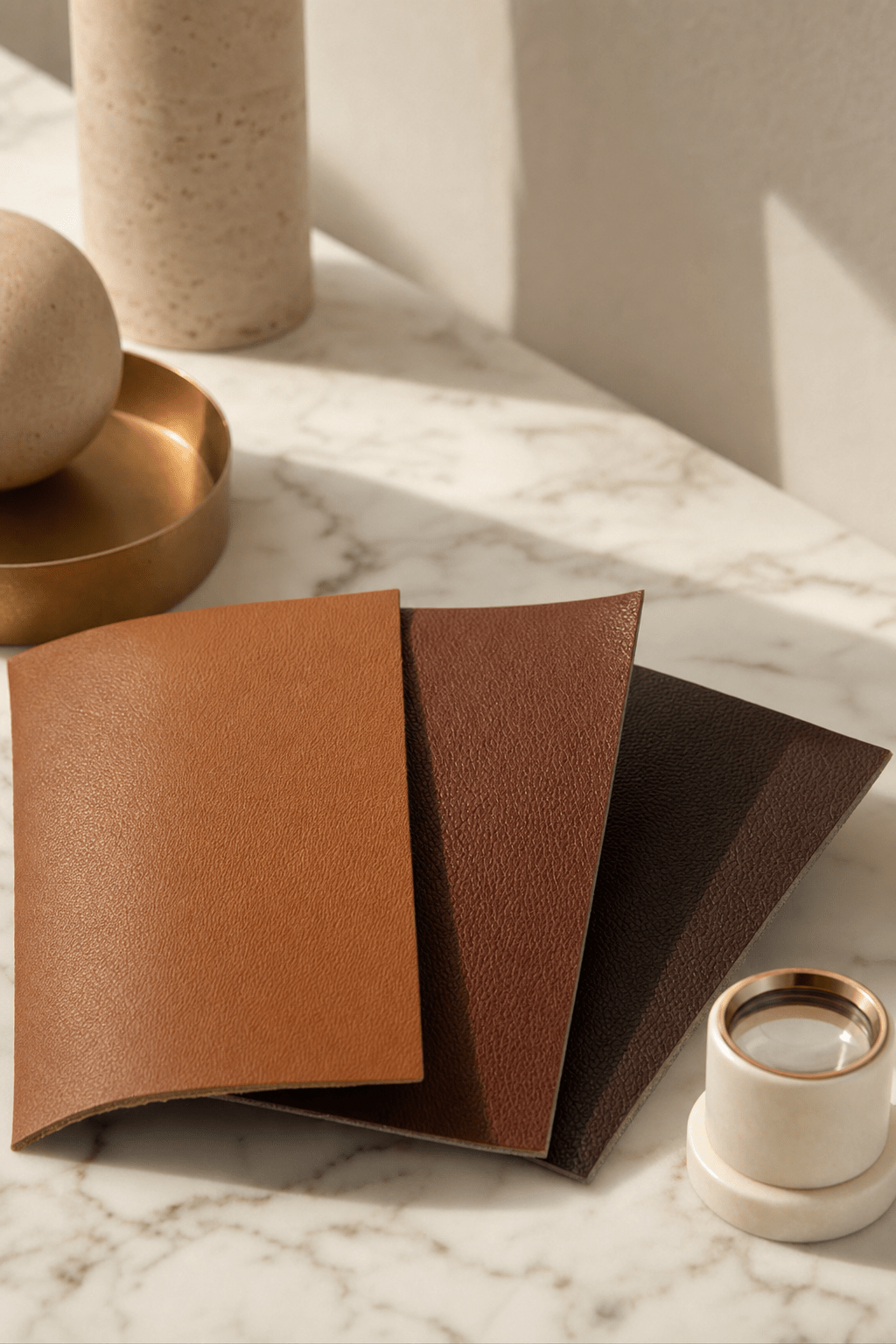
Caviar is grained calfskin, textured with a pebbled surface pattern and finished with a coating that makes it notably more resistant to scratches, water, and everyday wear than smooth leathers. Chanel introduced it widely in the 1990s specifically because the house wanted a leather that held up to real use without babying. The grain is embossed and the surface is treated, which is why caviar resists fingernail marks and light scuffs that would show instantly on lambskin.
What caviar looks and feels like
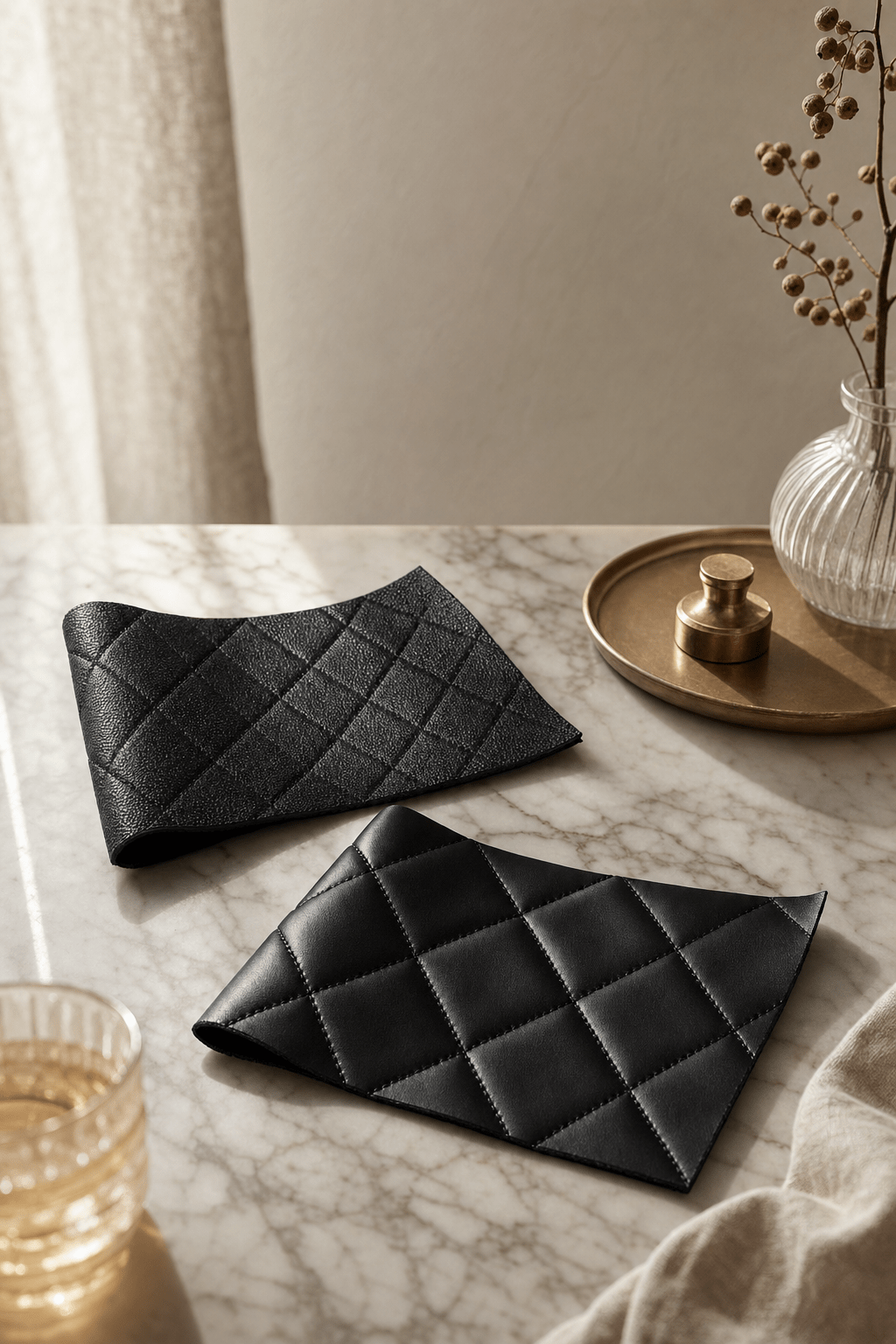
Structured, slightly stiff, with a visible pebbled texture. It holds a crisp silhouette on a Classic Flap and does not slouch the way softer leathers do. Corners on caviar bags tend to keep their shape for years even with regular use.
What lambskin leather actually is
Lambskin is exactly what it sounds like: leather from lamb hide, prized for being noticeably softer and finer-grained than calfskin. It has a smooth, almost buttery surface with a subtle natural sheen. This is the leather that gives Chanel's classic 2.55 and reissue lines their signature slouch and softness.
What lambskin looks and feels like
Soft, fluid, with a gentle drape rather than a rigid structure. The quilting on a lambskin Flap reads more three-dimensional and plush than the same quilting pattern on caviar. It is also, without question, the more delicate of the two in daily use.
Durability: the real difference
This is where the decision usually gets made. Caviar's textured, treated surface resists scratches from keys, jewelry, and daily handling far better than lambskin's smooth surface, which shows fingernail marks, water spots, and light abrasions much more readily. If you carry a bag daily, get in and out of cars with it, or set it on rough surfaces without thinking, caviar is the more forgiving choice by a wide margin.
Lambskin is not fragile in the sense of falling apart — it is fragile in the sense of showing every mark. A single rainy commute without a rain guard can leave visible water spots on lambskin that a caviar bag would shrug off entirely.
Care requirements, side by side
Caviar care
- Wipe with a dry, soft cloth after use to remove surface dust
- Tolerates light rain reasonably well, but should still be dried promptly with a soft cloth if it gets wet
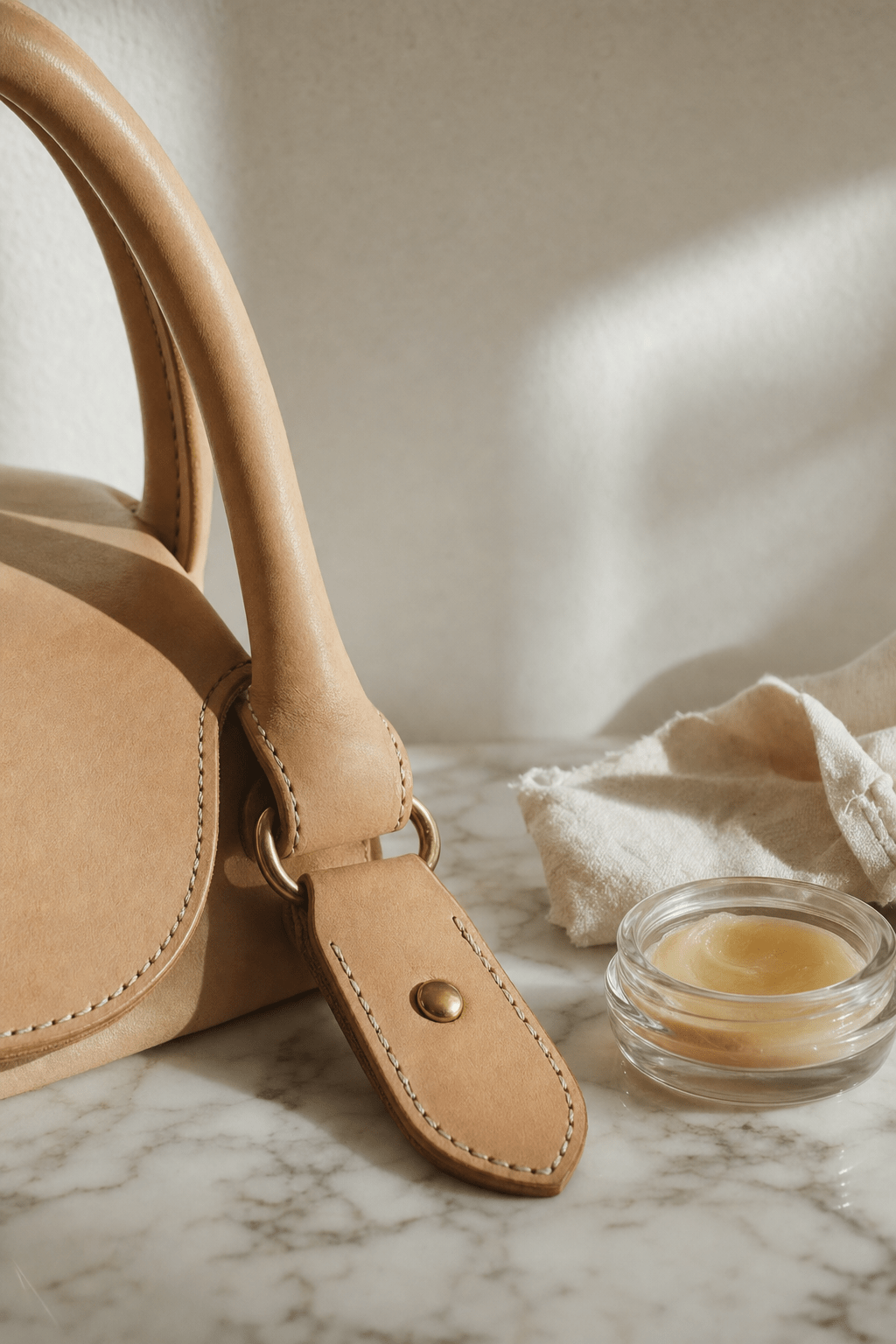
- Occasional leather conditioner formulated for finished, coated leather is optional, not required as often as lambskin
- Scuffs are usually surface-level and buff out with a dry cloth; deeper marks may need a leather professional
Lambskin care
- Avoid contact with water entirely when possible; use a rain guard or avoid carrying in wet weather
- Never rub aggressively at a mark — blot, do not scrub, and let a professional handle anything beyond light dust
- Keep away from rough fabrics like denim rivets and coarse wool, which can create pilling or fine scratches over time
- Store stuffed and supported at all times, since lambskin holds creases more readily than caviar
For the detailed cleaning protocol specific to caviar, see our guide on how to clean Chanel caviar leather without damaging it. Lambskin has its own separate protocol, covered in our lambskin cleaning playbook, because the two leathers do not tolerate the same products or techniques.
Resale and long-term value
Caviar bags in good condition generally hold resale value better than lambskin bags in equivalent condition, largely because caviar shows less visible wear at the same age. A five-year-old caviar Flap carried weekly can look nearly new; a five-year-old lambskin Flap carried the same way usually shows some surface character even with careful owners. Neither fact should be the only reason you choose a leather, but it is worth knowing before you buy.
Which one fits your life
Choose caviar if you
- Carry your Chanel daily or near-daily
- Travel with the bag regularly
- Want lower-maintenance ownership
- Prioritize structure and a crisp silhouette
Choose lambskin if you
- Carry the bag for special occasions or lighter rotation
- Value the softest possible hand-feel and drape
- Are prepared to store and handle it more carefully
- Want the slouchier, more vintage-coded silhouette
Common mistakes when choosing or caring for either leather
- Buying lambskin for a daily bag "because it's prettier." It will show wear far faster in daily rotation than caviar will.
- Treating caviar as indestructible. It is more forgiving, not immune — deep scratches and prolonged water exposure still damage it.
- Using the same cleaning product on both leathers. Conditioners and cleaners suited to caviar's coated surface can be too aggressive for lambskin's finish.
- Ignoring a water spot on lambskin and hoping it fades. Fresh water spots respond much better to prompt, gentle blotting than spots left to dry and set.
- Assuming resale value is the only factor that matters. Comfort and how often you will actually carry the bag matter just as much as depreciation.
Expert tip: let occasion decide, not just leather
If you are building a two-bag Chanel rotation, a common and sensible pairing is one caviar bag for daily use and one lambskin bag for evenings and lower-friction occasions. This way each leather is doing the job it is actually suited for, rather than asking one bag to survive conditions it was not built for.
Beyond the two: what about other Chanel leathers
Caviar and lambskin cover the majority of Classic Flaps and Boy Bags, but Chanel also uses patent leather, jersey, tweed, and various exotic and seasonal materials. Each of those has its own handling rules, generally stricter than caviar and closer to or more delicate than lambskin. If you are storing a mixed collection, our guide on how to store luxury handbags properly covers the universal shelving, humidity, and stuffing principles that apply regardless of which leather you own.
How climate affects the choice
Where you live should factor into this decision more than most buyers realize. In consistently humid climates, lambskin's sensitivity to moisture becomes a bigger daily concern, since ambient humidity alone, not just rain, can leave the surface looking slightly different over time. Caviar's treated surface is far more tolerant of humid air. If you live somewhere with hot, wet summers, caviar is the lower-stress choice for a bag you plan to actually use through the season rather than store away. Keeping either leather in a stable environment around 45 to 55 percent relative humidity, regardless of season, slows the aging process for both.
Temperature swings matter too
Both leathers do best held around 18–21°C (65–70°F) in storage. Lambskin is somewhat more prone to drying out and stiffening in very dry, heated indoor air during winter months, so a small amount of ambient humidity in a storage closet benefits lambskin more than it benefits caviar. Neither leather should ever be stored near a heating vent, a window with direct sun, or a damp basement wall.
Closing thoughts
Caviar and lambskin are not a better-versus-worse choice — they are different tools for different habits. Caviar suits the bag you reach for without thinking; lambskin suits the bag you handle with intention. Whichever you choose, a properly shaped purse pillow insert for Chanel flap bags helps both leathers hold their structure between wears, which matters more for lambskin's crease-prone surface but benefits caviar's silhouette too.