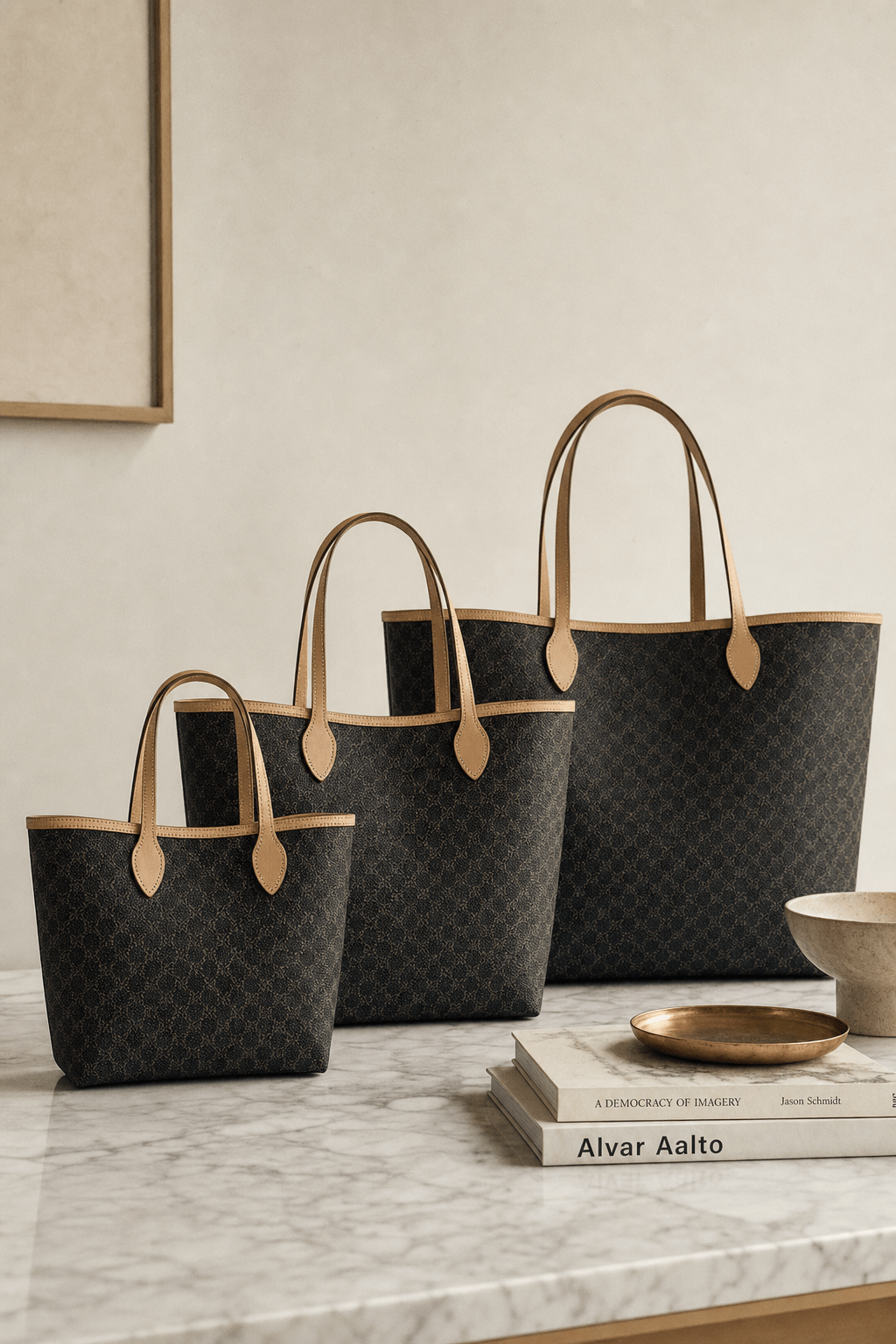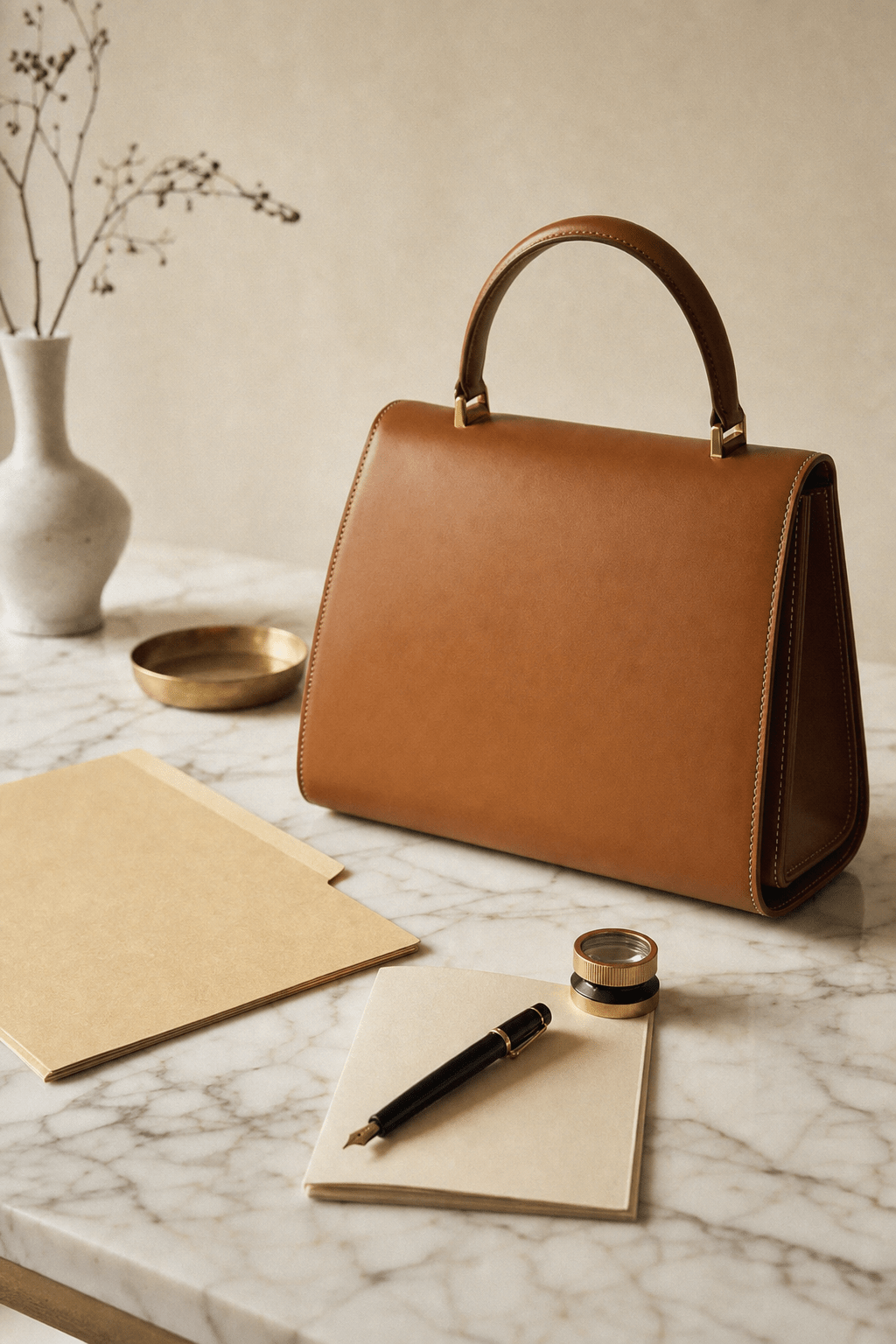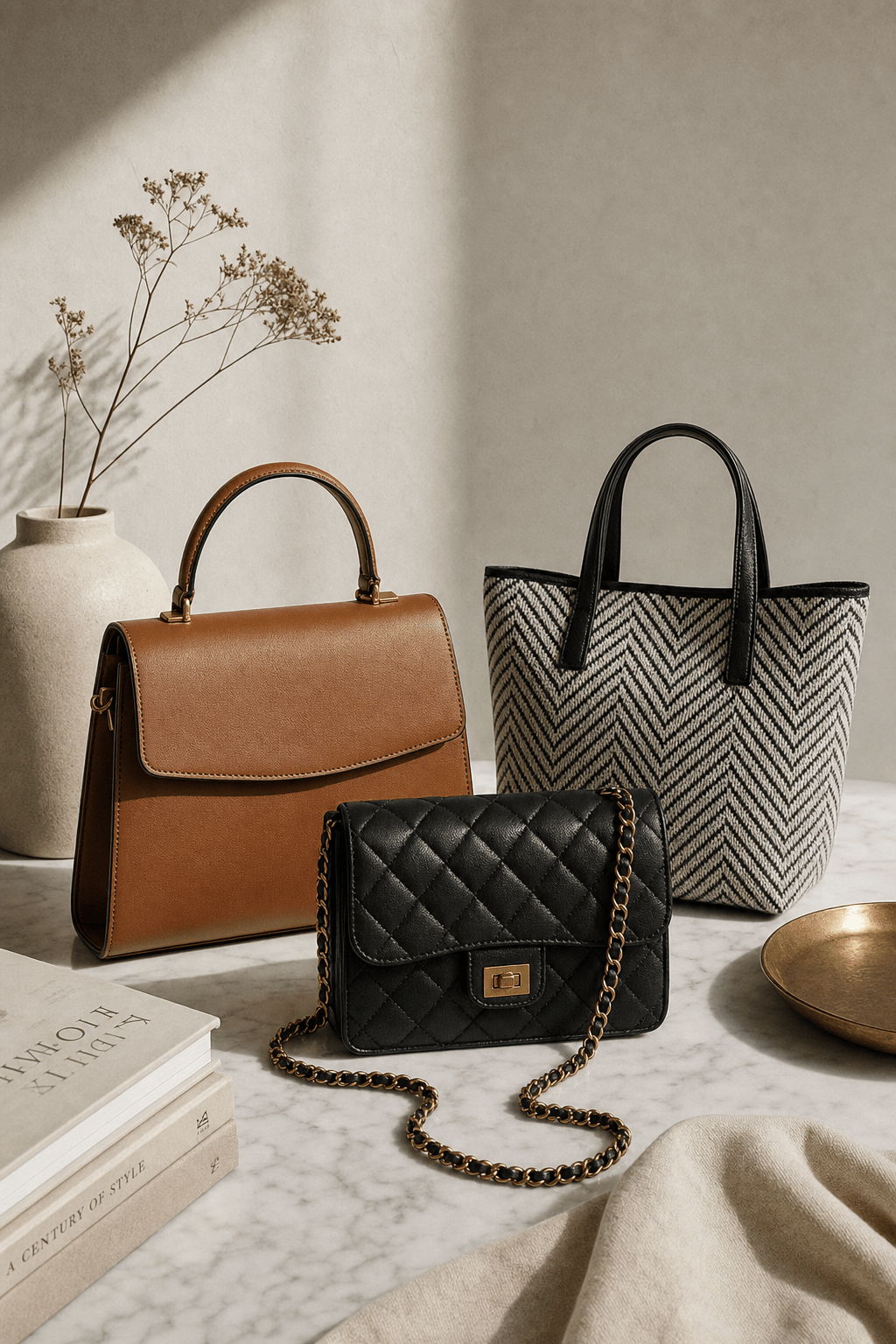
Most handbags are worn goods, not investments, and the industry's own marketing has spent a decade blurring that line. A small number of models genuinely appreciate on a reliable, documented basis. The overwhelming majority of luxury handbags, including plenty that retail for four figures, lose 30 to 70 percent of their value the moment they leave the store. Understanding which category a given bag falls into, and why, is the difference between building a collection with real financial floor beneath it and paying a premium for a story that does not hold up at resale.
This is not a discouraging take. It is an accurate one, and accuracy here protects your money. Below is an honest breakdown of what "investment grade" actually means in handbag economics, which models have a real track record, and what actually drives resale value beyond the brand name on the box.
What "investment grade" actually means
In handbag resale, value retention depends on three factors working together, not any one alone. Structural rarity means genuine production constraints — a waitlist, an allocation system, a hand-stitched process that caps annual output — that keep supply meaningfully below demand, which is different from artificial scarcity marketing that creates a temporary sense of exclusivity without a real supply cap behind it. Durable brand equity means a brand's position holds across market cycles and fashion shifts, not just during one favorable stretch; equity that depends on a single creative director or viral moment tends to be volatile rather than durable. Resale liquidity means a model can be sold quickly at a fair price through established channels — consignment houses, authenticated resale platforms, auction. A bag that is theoretically valuable but takes eighteen months to find a buyer is not functioning as a liquid asset, whatever its nominal appreciation.
Only a handful of models score high on all three simultaneously. Most luxury handbags score high on brand equity alone, which slows depreciation but does not produce appreciation.
The base rate you need to know
Most luxury handbags depreciate. A typical mid-tier designer bag in a common color and leather, bought at retail and resold within a few years, recovers roughly 40 to 65 percent of its original price in good condition, and less if it shows wear. The bags that beat that base rate are the exception, not the rule, and this article is specifically about the exceptions.
Hermès Birkin and Kelly: the only bags with a genuine multi-decade track record
Hermès occupies a category by itself in handbag resale, and the data backs that up rather than just repeating marketing language. A widely cited Baghunter study found Birkin bags appreciated at an average annual rate of roughly 14 percent between 1980 and 2015, a stretch that outperformed the S&P 500's real average annual return over the same window. More recent data from Rebag's Clair Report found Hermès handbags achieved an average value retention of 138 percent in 2025, with the Birkin specifically up around 92 percent on the resale market over the prior decade, more than double the brand's own retail price increases in that period.
That said, the current market is more complicated than a single headline growth number suggests. Bernstein Research's Secondhand Pricing Tracker showed the average resale premium on Birkin and Kelly bags compressing from roughly 2.2 times retail in 2022 to around 1.4 times by mid-2026, meaning a bag that would have resold for double its retail price three years ago now resells closer to 1.4 times. That is still a real premium over retail, but it is a meaningful cooling from the peak, driven by a broader luxury resale slowdown and softer demand from younger buyers priced out of the category.
Why the mechanism holds even as the premium compresses
The Birkin and Kelly retain a structural advantage the rest of the market lacks: Hermès deliberately caps production and does not sell most Birkins to walk-in customers, creating a genuine allocation waitlist rather than a marketing-manufactured one. That supply constraint is the actual mechanism behind the long-term appreciation, not brand prestige alone. Certain configurations still command extraordinary premiums: the Kelly Mini II sold at an average of 282 percent of retail in 2025, and the Sellier Birkin at 183 percent, per the same Rebag data. Exotic skins — crocodile, alligator, lizard — sit in their own tier again, with exotic Birkin and Kelly resale values rebounding roughly 11.5 percent year over year in 2025 after a brief correction.
For care and storage specifics that protect this resale value, see our guides on how to store a Birkin and storing Hermès in humid climates, and for the leather-specific factors that affect condition and therefore resale, Togo vs. Clemence vs. Epsom.
Chanel Classic Flap: steady appreciation, but the retail-resale gap has narrowed
The Chanel Classic Flap has a genuinely strong long-term track record, just a different one than the Birkin's. Chanel has raised retail prices aggressively and repeatedly since 2019, with cumulative increases that in some analyses top 300 percent since 2010, roughly seven times faster than U.S. inflation over the same period. Resale values have tracked that retail run-up closely: various industry analyses put the Classic Flap's resale appreciation in the range of 7 to 10 percent annually over the past five years, with some individual stretches showing sharper jumps, including a widely cited Baghunter figure of nearly 72 percent appreciation for the medium flap between 2010 and 2015.
The complication for buyers now is that Chanel's own retail increases have caught up to, and in some periods outpaced, resale demand, which narrows the gap that used to make the Classic Flap such an obviously good hold. When retail sits close to what a well-kept used bag commands, the financial case for buying pre-loved weakens somewhat, since the price difference no longer covers much depreciation risk. Some resale platforms tracking 2024 to 2025 data have noted average resale values moderating slightly even as retail kept climbing, suggesting the market is becoming more selective about condition, color, and leather rather than rewarding the Classic Flap uniformly.
Which configurations hold up best
Within the Classic Flap line, black caviar leather with gold hardware remains the most liquid and best-holding combination, because it is the least polarizing choice for the widest pool of resale buyers. Bright seasonal colors, limited leathers, and unusual hardware finishes can command premiums among specific collectors but sell more slowly and less predictably, which matters if liquidity is part of your definition of investment grade. For storage practices that protect a flap's resale condition long-term, see how to store a Chanel Classic Flap and storing Chanel long-term.
Louis Vuitton: limited pieces hold value, common styles depreciate steadily
Louis Vuitton sits in a very different position than Hermès or Chanel, and treating it as an equivalent investment category is a common and costly mistake. Core canvas styles — the Neverfull, the Speedy, the standard Alma — are produced at a scale that keeps supply ample, which caps their resale ceiling regardless of how well they are cared for. A well-kept Neverfull in good condition might recover somewhere in the 45 to 65 percent range of its original price on resale, which is respectable for a heavily used bag but is depreciation, not appreciation, and should be understood that way going in.
Where Louis Vuitton does hold or gain value is in genuinely limited collaborations and discontinued pieces — artist collaborations, discontinued exotic leathers, certain vintage Epi or Damier pieces from eras the brand no longer produces. The mechanism is the same rarity logic as Hermès, just applied inconsistently and only to a small slice of the catalog. If you are buying Louis Vuitton with resale value as a real consideration, buy for genuine scarcity, not for the brand name alone. For the canvas and leather-care factors that affect condition and therefore resale outcomes on core styles, see Louis Vuitton vachetta care and how to store a Neverfull.
Dior, Bottega Veneta, and Goyard: value that moves with the moment, not the model
This tier is the hardest to generalize about honestly, because the same house can produce both a strong hold and a fast depreciator within the same year, depending on design era and cultural momentum rather than brand alone.
- Dior. The Lady Dior has a long-standing reputation and reasonably steady resale demand, particularly in classic cannage leather and neutral colors, but it does not appreciate the way a Birkin does. It holds value better than most non-Hermès, non-Chanel options, without qualifying as a true appreciating asset.
- Bottega Veneta. The brand's resale profile shifted sharply during the Daniel Lee and now Louise Trotter design eras, with pieces from favored creative direction periods commanding real secondary-market premiums while older intrecciato styles from less culturally resonant stretches lag. This is brand momentum doing the work, not a structural rarity mechanism, which means it can reverse as quickly as it appeared.
- Goyard. Extremely limited retail distribution — no e-commerce, few boutiques, no discounting — creates real scarcity and a loyal resale market, but demand is narrower and less liquid than Hermès or Chanel, so selling quickly at a fair price is harder even when the nominal value holds.
For visual and category context on these houses, see our brand pages for Dior, Bottega Veneta, and Goyard.
Buy new or buy pre-loved: the actual math
The right answer depends on which tier you are buying into. For Hermès, waitlists mean most buyers cannot simply choose to buy new, which pushes much of the real market to resale and consignment by default. For Chanel, given how closely resale now tracks retail after years of price hikes, buying new can make sense if you want a specific color and hardware combination rather than whatever is available used. For Louis Vuitton core styles, buying pre-loved almost always makes more financial sense, since the depreciation has already happened.
What actually moves resale value 20 to 40 percent: condition, box, dust bag, and receipt
Beyond brand and model, the single biggest swing factor in resale price is documentation and condition, and most sellers underestimate how much this actually costs them.
- Original box and dust bag. A complete set with original packaging typically commands a meaningful premium over the same bag sold loose, often in the range of 10 to 20 percent depending on the brand and platform. Consignment houses and resale platforms use completeness as a first-pass filter, and incomplete sets get lower initial offers before condition is even assessed.
- Original receipt or proof of purchase. For brands with active authentication concerns, a receipt shortens the authentication process and can be the difference between a fast sale and a stalled listing. It matters less for the value itself and more for how quickly and confidently a buyer commits.
- Condition of hardware and corners. Tarnished hardware, corner wear, and interior staining are the three things resale buyers and consignment appraisers check first, and each visible issue can knock 10 to 20 percent off an offer independently. A bag with all three issues can lose 30 to 40 percent of its well-kept-condition value.
- Authentication paperwork from prior sales. If a bag has changed hands before, a paper trail of authentication from a reputable platform speeds up resale and can support a higher asking price than an unverified private-party bag with no history.
Stacked together, the gap between a well-documented, well-kept bag and an otherwise identical bag missing its accessories and showing visible wear can easily reach 20 to 40 percent of resale value. This is the single most controllable factor in the entire investment conversation, and it is entirely a function of how the bag was stored and handled, not luck. Our pillar guide on how to store luxury handbags properly and our piece on why every handbag needs a dust bag cover the habits that protect this value over years of ownership, not just at the moment of sale.
Expert tip: keep the original packaging even if you never plan to sell
Keep the box, dust bag, care card, and receipt together in one place from the day you buy the bag, regardless of whether you have any resale intention. Plans change, and a complete set assembled after years of scattered storage is far harder to reconstruct than one kept together from the start. This single habit protects more resale value than almost anything else you can do.
Geographic price arbitrage: US vs. Europe vs. Asia
Retail prices for the same bag vary meaningfully by region due to currency fluctuations, import duties, and each brand's independent regional pricing strategy, creating real arbitrage opportunities for buyers who travel. The gaps can run into hundreds or, for higher-tier bags, low thousands of dollars between the cheapest and most expensive major markets in a given season. This window opens and closes as currencies move and brands adjust pricing, so it rewards attention rather than a fixed rule like "Europe is always cheaper."
The real risks: fake exhaustion, brand devaluation, and market timing
Three risks apply to every tier of this market, worth naming plainly rather than glossed over. Fake exhaustion is the sophistication of the counterfeit market for the highest-value bags, which makes authentication a real cost and risk at resale, not a formality, and drags on liquidity even for genuine pieces since buyers scrutinize them harder. Brand devaluation can come from overexposure, aggressive outlet or gray-market discounting, or a publicized quality issue, and can erode a brand's resale position faster than buyers expect; no house has permanent immunity. Market timing is the least discussed but most relevant risk right now: the Birkin resale premium compression from roughly 2.2 times retail in 2022 to about 1.4 times by mid-2026 is a live example of how even the strongest-performing category can cool meaningfully within a few years. Anyone buying purely for appreciation is exposed to this cyclical risk the same as any other asset class.
The honest take
Most bags in most closets are worn goods, not investments, and treating every luxury handbag purchase as a financial decision leads to bad buying choices and worse disappointment at resale. A small number of models, led by the Hermès Birkin and Kelly and followed at a distance by the Chanel Classic Flap, have a genuine, documented track record of holding or growing value over long periods, driven by real structural scarcity rather than marketing. Everything else should be bought because you want to carry it, with resale value as a pleasant possibility rather than a plan. If the financial upside matters to you, protect it the boring way: buy the models with real scarcity mechanisms, keep the full set of packaging and paperwork, and store the bag properly for the years between purchase and eventual sale. For sizing decisions that affect both usability and resale demand within the top-tier models, see our guides on Birkin 25 vs. 30 vs. 35 and Kelly 25 vs. 28 vs. 32.
Closing thoughts
Hermès Birkins and Kellys are the only handbags with a multi-decade, multi-study record of consistent appreciation, and even they see real cyclical cooling, as the recent resale premium compression shows. Chanel's Classic Flap has a real but more modest track record, increasingly squeezed by the brand's own aggressive retail pricing. Everything else depends far more on specific model, condition, and market moment than on brand name alone. Buy for what you will actually carry, document and store carefully if resale value matters, and treat any appreciation as a bonus on top of years of use rather than the reason for the purchase.